
"Ethiopia coffee types"
3000 article(s) found

Bancimaji BenchMaji Ethiopian primeval forest boutique coffee treated by Yega Xuefei in the sun
Ethiopian coffee is highly rated in Taiwan, especially the three well-known producing areas of Ethiopia, namely Harrar, Sidamo and Yirgacheffe. Sidama lies to the south of Ethiopia, to the north is Arsi, and to the east extends to Bale.
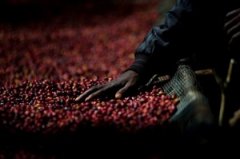
The hometown of coffee in eastern Africa, Ethiopian boutique coffee beans.
Ethiopia Coffee producing area: the full name of the Federal Democratic Republic of Ethiopia (formerly known as Abyssinia) is a country located in northeast Africa. English name: The Federal Democratic Republic of Ethiopia, Ethiopia is the country of origin and hometown of coffee. The most famous coffee beans in Ethiopia are Yega Xuefei and Harald.

Introduction to the planting environment of high-quality Ethiopian boutique coffee bean manor
March 1988, rebel activities of the Eritrean people's Liberation Front (EPLF) and Tigre people's Liberation Front (TPLF) launched an attack on government forces, a large-scale civil war broke out. In 1989, the Eritrean people's Liberation Front occupied most of Eritrea's province. On May 28, 1991, EGF troops, mainly from the people's Liberation Front of Tigre, entered Addis Ababa, Menges.

Flavor description and taste treatment of Ethiopian coffee beans
Flavor description of Ethiopian coffee beans in Ethiopia the grading and quality control system of coffee is divided into three levels: producer, regional and national. All coffee is inspected by local inspection agencies before leaving the country of origin, and then re-tested at the coffee inspection and grading centers in Addis and Diredawa to determine its quality grade. The coffee is
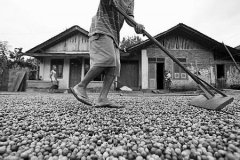
Cultivation of citrus-scented Sidamo Shakiso boutique coffee beans geographical location, climate, altitude is simple
In the fifties and sixties of this century, many African countries became independent one after another and adopted green, yellow and red as the colors of the national flag, so they were called pan-African colors. Ethiopia is one of the ancient countries in Africa, with a long history of more than 3000 years, giving green, yellow and red colors deeper roots in this land. Historically, they are closely related to the liturgy of the Coptic church.

Sidamo honey taste aroma Sidamo Coffee types and prices
For the exchange of professional baristas, please pay attention to the honeyed words made by the hands of the coffee workshop (Wechat official account cafe_style). 15g powder, medium fineness grinding (small Fuji ghost tooth cutter 3.5grinding), v60 filter cup, 9193 degrees water temperature, 30g water injection for the first time, steaming for 27 seconds, water injection to 105g water cut off, wait for the water volume of powder bed to be reduced to half and then water injection, slow water injection until 225g water, do not use water at the end.

Is Ethiopia G1 Sidamo coffee beans good?
Following Ka Pai (Wechat official account vdailycom) found that Beautiful Cafe opened a small shop of its own: Ethiopia. Sidamo Coffee Bean Origin: Ethiopian Grade: G1 roasting: shallow roasting (just explode) treatment: washing flavor: lemon, citrus, caramel Ethiopia. Sidamo is a type of single origin that grows in Ethiopia.

High-quality Bolivian coffee flavor introduces Yongas, northeast of Xuemai Manor La Paz
Cup test code #: CAR-003 Bolivia's high-quality estates, very high altitude, perennial low temperature environment, so that coffee fruit growth is slow, tight enough, aroma is also charming, floral aroma is obvious, such as careful treatment, cherries with the same maturity, often have a clean and meticulous high taste, this elegant aroma of vanilla and honey is very attractive, this champion bean has a variety of floral aromas, vanilla and vanilla

What's the flavor of Ethiopian coffee? a brief introduction to the types of individual coffee.
Professional coffee knowledge exchange more coffee bean information please follow the coffee workshop (Wechat official account cafe_style) front street-Ethiopian coffee, individual coffee varieties introduction Ethiopia's geographical environment is very suitable for coffee growth. Coffee is mainly grown in the southern highlands between 1100 and 2300 meters above sea level. Major coffee producers are Harald (Harar), Limu (Lim),

Are Ethiopian coffee beans G1 and G2 just different in the number of defective beans?
Ethiopian coffee beans G1 and G2 are only different in the number of defective beans. Honey treatment is to remove immature beans and other defective bean leaves after flotation of coffee beans, and then carry out red, yellow and black treatment according to different regions. Yellow honey usually removes the most peel, about 40 percent peel, red honey 25 percent peel, black honey only peel, and then

Introduction of Coffee Flavor and Taste Variety extraction time in Xidamo Chiso producing area of Ethiopia
Ethiopian Sidamo is a type of single origin that grows in Arabica coffee in Ethiopia's Sidamo province. Like coffee in most African countries, Ethiopian Sidamo is characterized by small gray beans, but characterized by its rich, spicy, wine or chocolate-like taste and floral aroma. The most distinctive flavors found in all Sidamo coffee are lemon and citrus, bright.

A brief introduction to the treatment method of grinding degree and baking degree of aromatic Sidamo Shakiso boutique coffee beans
Shakisso/Shakiso, located in the Guji producing area of Sidamo, is one of the micro-producing areas with regional characteristics in the Sidamo producing area. The coffee in this region is quite unique, and the coffee produced has often attracted the attention of the market. The original meaning of Ninety Plus's legendary bean (nekisse) comes from Nectar from shakisso, its producing area.

2015 New Bean unbaked Coffee Raw Bean Sidamo Lion King of Ethiopia Sun-treated Raw Bean
Coffee bean details: 1. Country: Ethiopia 2. Grade: G13. Production area: Guji 4. Planting altitude: 1800-2000m 5. Soil type: volcanic laterite 6. Annual rainfall: 1100-1200 cm 7. Treatment: insolation 8. Variety: native species (Heirloom) 9. Disposal site: Sirsa Cooperative 10. Raw bean specification: 17-18 items 11. Flavor: Jasmine, honey,

Four forms of growth and production of Ethiopian Coffee in Coffee producing area
Growth and production patterns: there are four growth production patterns in Ethiopia, and 95% of coffee is produced from these types or systems. 1. Forest grows in southern and southwestern Ethiopia, mostly wild or under natural forests. It provides natural shade for coffee trees, but the resistance is slightly weak. This production system accounts for about

Ethiopian Coffee Estate Description Taste Boutique Coffee Features Introduction
Coffee farming villages produce about 35 percent of the country's coffee. These coffee farms, which use a multi-tiered coffee growing system, are carefully cared for. Coffee farmers do not use chemical fertilizers, but use fallen leaves, plant and animal debris to increase soil nutrients. In addition to coffee, farmers also frequently grow non-coffee crops. Even the national coffee total

Ethiopian Coffee Variety Flavor description introduction of High-quality Coffee beans in producing areas
In February 1977, Lieutenant Colonel Mengistu Haier Maryam (MENGISTU HAILE MARIAM) launched a military coup and served as Chairman of the interim military Administrative Council and head of State. In 1979, the Ethiopian Labor people's Party Organization Committee, dominated by soldiers, was established to implement an one-party system. In 1984, the Ethiopian Workers' Party was formed according to the Soviet Communist Party model. Mengistu, September 1987

High quality Bolivian snow vein estate coffee beans flavor taste aroma characteristics Description
In the southwestern highlands of Ethiopia, the Kaffa, Sheka, Gera, Limu and Yayu Senli coffee ecosystems are considered home to Arabica coffee. These forest ecosystems are also home to a variety of medicinal plants, wildlife and endangered species. Western Highlands of Ethiopia

The development trend of coffee in Ethiopia has changed from cooperative model to single boutique small-scale farmers.
Ethiopia Yega Xuefei producing area has become so famous that even Xiao 7's coffee has begun to use it. The details should not be introduced by the editor. However, there is a new trend in the Yega Sheffield system, that is, the development of a single small farmer and a single agricultural product. Let's share this new trend in Ethiopia with the new direction of the Waka Cooperative. This new hair

Yega Sheffield Sun Woka taste fragrance Yega Chefe Coffee Coffee Type and Price
For the exchange of professional baristas, please follow the Yega Xuefei hand made by the coffee workshop (Wechat official account cafe_style). 15g powder, medium fineness grinding (small Fuji ghost tooth cutter 3.5grinding), v60 filter cup, 9193 degrees water temperature, 30g water injection for the first time, steaming for 27 seconds, water injection to 105g water cut off, wait for the powder bed water to go down to half and then water injection, slow water injection until 225g water, tail section

Jackfruit, spice and wine G3 grade G1 in the primeval forest of Banchi Magi, Ethiopia
Boutique coffee (specialty coffee) is also called specialty coffee selection coffee. It refers to coffee made from a small number of raw beans with excellent taste grown in an ideal geographical environment. Depending on the special soil and climatic conditions in which they grow, they have outstanding flavor. After strict selection and classification, this kind of coffee is hard in texture, rich in taste and stylish.